
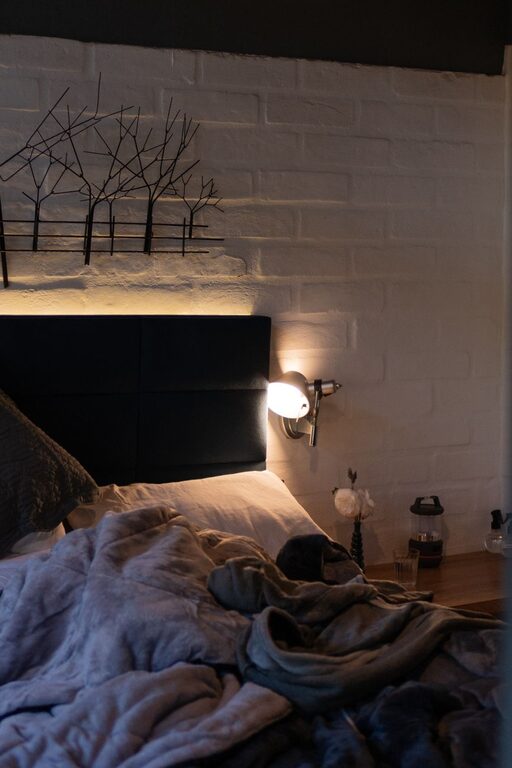
Creating a comfortable home environment involves many factors, and lighting plays a crucial role. The right lighting not only brightens your space but also influences mood, productivity, and relaxation. Choosing comfortable home lighting is about balancing brightness, color, and style to suit your lifestyle and the specific needs of each room.
In this guide, we’ll explore practical tips to help you select lighting that feels just right for your home.
Understand Different Types of Lighting
Before choosing lighting fixtures, it’s helpful to know the three main types of lighting: ambient, task, and accent.
– Ambient Lighting: This is the general, overall light in a room. It ensures you can see clearly and move around safely. Examples include ceiling-mounted fixtures, chandeliers, and recessed lights.
– Task Lighting: Designed for specific activities like reading, cooking, or working, task lighting helps reduce eye strain. Desk lamps, under-cabinet kitchen lights, and vanity lights fall into this category.
– Accent Lighting: Used to highlight artwork, architectural features, or to create mood, accent lighting adds depth and interest. Wall sconces, track lights, and spotlights are typical examples.
Combining these layers creates a balanced and comfortable lighting environment.
Consider Light Color and Temperature
Light color significantly impacts comfort. It’s measured in Kelvin (K), which indicates the color temperature:
– Warm Light (2700K to 3000K): Produces a cozy, inviting glow with a yellowish tint. Ideal for living rooms, bedrooms, and dining areas where relaxation is key.
– Neutral Light (3500K to 4100K): Offers a more balanced, white light that looks natural. Good for kitchens and bathrooms.
– Cool Light (5000K and above): Mimics daylight with a bluish tint. Best for workspaces or areas requiring focus, like home offices or garages.
Choosing the right color temperature helps set the mood and improve comfort. For most living spaces, warm to neutral light is preferred for its softness.
Prioritize Dimmable and Adjustable Lighting
Adjustability is a major factor in comfortable lighting. Dimmers allow you to control brightness levels, adapting the light to different times of day or activities. For example, brighter light is useful in the morning or when cleaning, while softer light helps you unwind in the evening.
Similarly, lamps and fixtures with adjustable arms or swivel heads offer flexibility to direct light exactly where you need it.
Select Lighting Fixtures That Match Your Space
The style and scale of lighting fixtures should complement the room while providing adequate illumination.
– Size Matters: Large rooms require bigger or multiple fixtures to avoid dark corners. Small rooms do better with modest-sized fixtures that don’t overwhelm the space.
– Fixture Style: Choose fixtures that fit your home’s decor, whether modern, traditional, or eclectic, to keep a cohesive look.
– Light Bulb Compatibility: Check which bulbs a fixture supports for brightness and color options.
Use Natural Light to Your Advantage
Natural light is the most comfortable and energy-efficient lighting source. Make the most of it by:
– Using sheer curtains or blinds that diffuse harsh sunlight while maintaining privacy.
– Positioning mirrors opposite windows to reflect light deeper into the room.
– Keeping window areas clear of heavy furniture or clutter.
Balancing natural and artificial light creates a refreshing and comfortable atmosphere throughout the day.
Pay Attention to Lighting Placement
Where you place your lights is as important as the lights themselves.
– Avoid placing bright lights directly in your eyes or behind screens to prevent glare.
– Use multiple light sources at different heights to reduce harsh shadows.
– In living areas, place floor lamps or table lamps near seating to encourage relaxation and reading.
Choose Energy-Efficient Bulbs
Comfortable home lighting doesn’t have to come with high energy costs. Opting for LED bulbs not only saves energy but also lasts much longer than traditional incandescent bulbs. LEDs come in various color temperatures and dimmable options, making them versatile for any room.
Create Cozy Lighting Zones
Especially in larger open spaces, define different “lighting zones” for varied uses. For example:
– A bright zone for cooking in the kitchen.
– A softer, warmer zone for dining.
– A comfortable, low-lit zone for watching TV.
Zoned lighting helps cater to different moods and activities, enhancing comfort.
Test Lighting Before Committing
Lighting can look very different when installed compared to how it appears in a store. Before making a final decision:
– Bring bulbs or fixtures home to test in your space.
– Check the light at different times of day.
– Evaluate how the light interacts with your wall colors and furniture.
This approach helps ensure the lighting you choose is truly comfortable and suits your lifestyle.
—
Lighting has a powerful effect on our home environment and well-being. By understanding the types of lighting, focusing on color temperature, and adjusting placement and brightness, you can create a cozy and inviting home that feels just right at any time of day. Use these tips to choose lighting that enhances comfort and complements your personal style.