
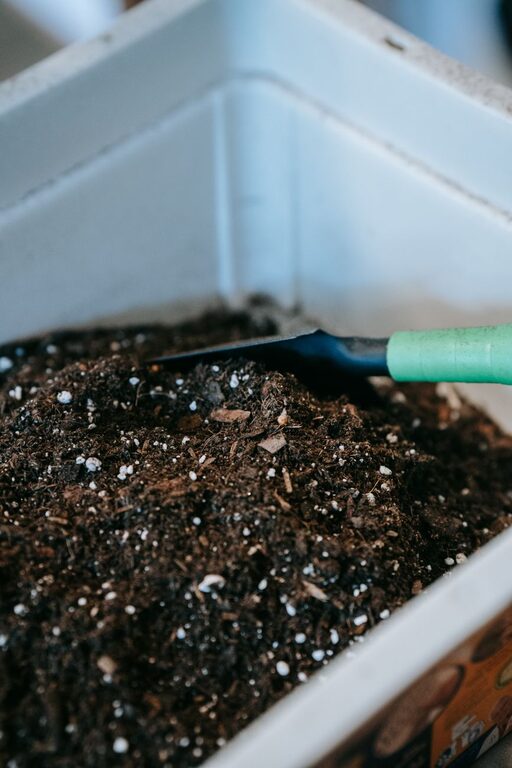
Composting at home is a rewarding and eco-friendly practice that transforms kitchen scraps and yard waste into nutrient-rich soil. Whether you have a large backyard or a small balcony, composting can be a simple way to reduce waste and support your garden. If you’re new to composting, this guide will walk you through the basics and share beginner tips to help you get started with confidence.
What Is Composting?
Composting is the natural process of breaking down organic materials like food scraps, leaves, and grass clippings into valuable soil conditioner. Microorganisms such as bacteria and fungi, along with insects and worms, help decompose these materials, resulting in crumbly, dark compost that enriches garden soil.
Why Should You Compost?
– Reduces landfill waste by diverting organic materials.
– Improves soil health by adding nutrients and beneficial microbes.
– Saves money on fertilizers and soil amendments.
– Supports plant growth by enhancing soil structure and moisture retention.
Getting Started: Basic Composting Supplies
You don’t need fancy equipment to start composting. Here’s what you’ll need:
– Compost bin or pile: Choose a bin that suits your space—options include plastic bins, tumblers, wire mesh containers, or even a simple compost heap in a corner of your yard.
– Brown materials: Dry, carbon-rich items like dried leaves, paper, cardboard, and straw.
– Green materials: Nitrogen-rich items like vegetable scraps, coffee grounds, fresh grass clippings, and garden trimmings.
– Water source: Moisture is key for decomposition, so access to water is useful.
– Pitchfork or garden fork: For turning the compost to aerate it.
Step-by-Step Guide to Home Composting
1. Choose Your Composting Method
– Traditional compost pile: Simple and effective, but may take longer.
– Compost bin or tumbler: More contained, easier to manage, and discourages pests.
– Vermicomposting: Uses worms to speed up decomposition, ideal for indoor spaces.
2. Find a Good Spot
Place your compost bin or pile in a well-drained, shaded spot that’s convenient to access. This avoids extreme temperatures and helps maintain moisture levels.
3. Start Layering Browns and Greens
Build your compost pile by alternating layers of brown and green materials. A good ratio is about 3 parts brown to 1 part green. Browns provide carbon, and greens supply nitrogen—both essential for a balanced compost.
4. Chop or Shred Larger Pieces
Breaking down larger leaves, stems, and kitchen scraps into smaller pieces speeds up decomposition. You can use scissors or a garden shredder for this.
5. Monitor Moisture
Your compost should feel like a wrung-out sponge—moist but not soggy. Add water if it’s dry, or add more browns if it’s too wet.
6. Turn Your Compost Regularly
Aerating your compost by turning it every 1–2 weeks introduces oxygen, helping microbes work faster and reducing odors.
Materials to Avoid in Your Compost
– Meat, bones, and dairy (attract pests and cause odors).
– Diseased plants or invasive weeds (may spread unwanted organisms).
– Pet waste (can contain harmful pathogens).
– Treated wood or charcoal ash (can introduce toxins).
– Synthetic chemicals or oils.
Troubleshooting Common Composting Issues
Smelly Compost
Often caused by too much green material or lack of air. Add more browns and turn the pile to improve aeration.
Compost Is Too Dry
Sprinkle water evenly and mix to distribute moisture.
Slow Decomposition
Chop materials finely, maintain balanced browns and greens, and turn pile regularly to speed things up.
How to Use Finished Compost
Your compost is ready when it’s dark, crumbly, and earthy-smelling, usually in 3 to 6 months depending on conditions. Use it to:
– Enrich garden beds and flower pots.
– Mulch around trees and shrubs.
– Mix with potting soil for indoor and outdoor plants.
Final Tips for Successful Home Composting
– Be patient: Composting takes time, but the results are worth it.
– Keep a balanced mix: Too much of either browns or greens can slow the process.
– Use a compost thermometer (optional) to check if your pile is heating properly (ideal range is 110–160°F).
– Start small and expand as you get comfortable.
– Educate family members or roommates to participate and reduce kitchen waste together.
Composting at home is a simple step toward a greener lifestyle. By following these beginner tips, you’ll create healthy soil, reduce waste, and enjoy the rewards of sustainable gardening. Happy composting!